-
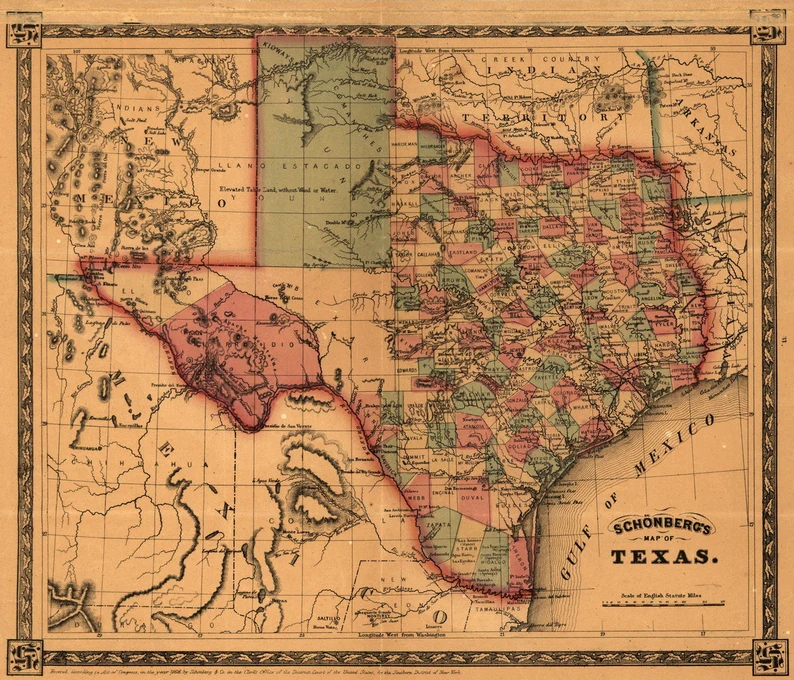
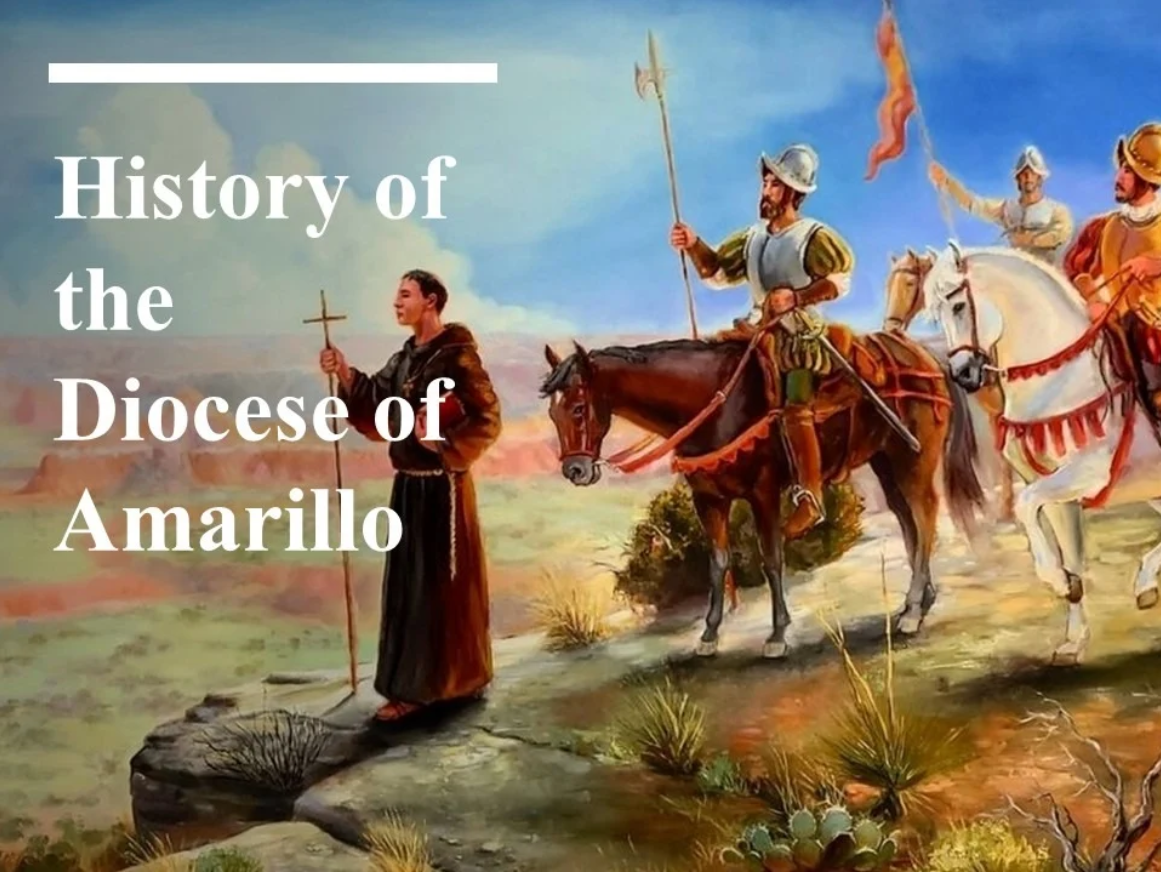 A Brief HistoryThe Diocese of Amarillo has a rich and enduring Catholic heritage that traces back to the earliest explorations of the American Southwest. Spanning 26 counties and approximately 25,800 square miles in the Texas Panhandle, the diocese stands as a testament to centuries of missionary zeal, cultural growth, and steadfast faith. Rooted in the early evangelization efforts of Spanish missionaries and formally established in the 20th century, the Diocese of Amarillo continues to proclaim the Good News of Jesus Christ to all its neighbors, honoring its past while looking with hope to the future.
 -
-
Coronado's Exploration
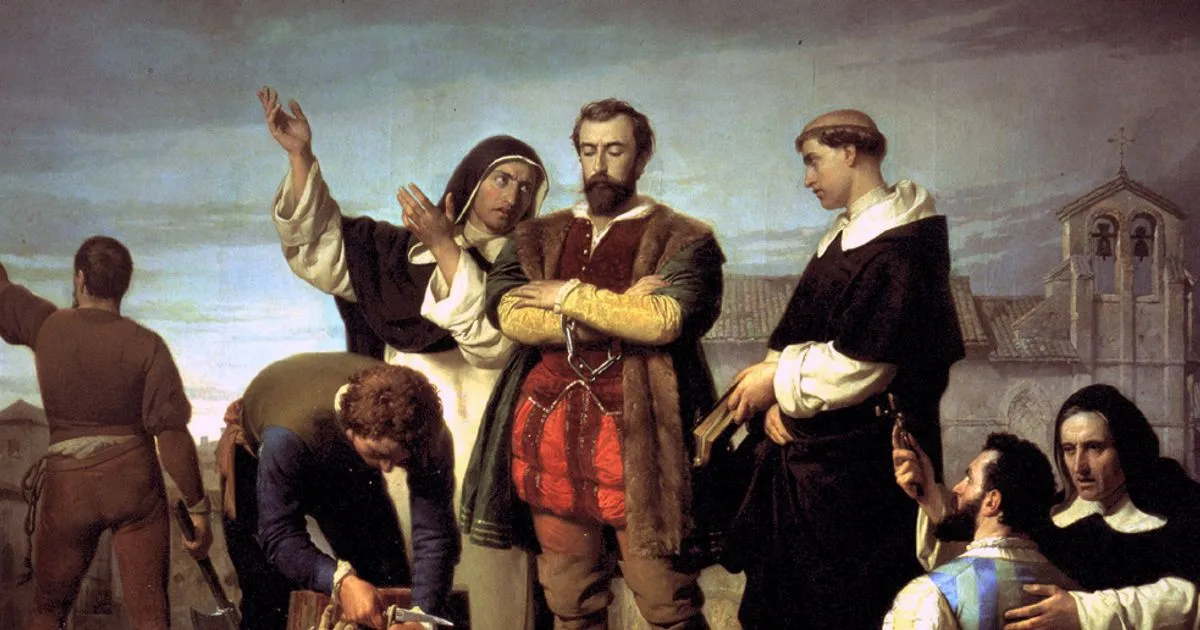
The Catholic presence in the Texas Panhandle dates back to 1541, when Spanish explorer Francisco Vásquez de Coronado traversed the region in search of the mythical Seven Cities of Gold. Accompanying him was Father Juan de Padilla, a Franciscan friar who celebrated Mass near present-day Palo Duro Canyon on the Feast of the Ascension. Father Padilla is recognized as the first Christian martyr on what is now U.S. soil, having been killed in 1544 while evangelizing Native peoples in present-day Kansas.
-
-
-
Formal Establishment
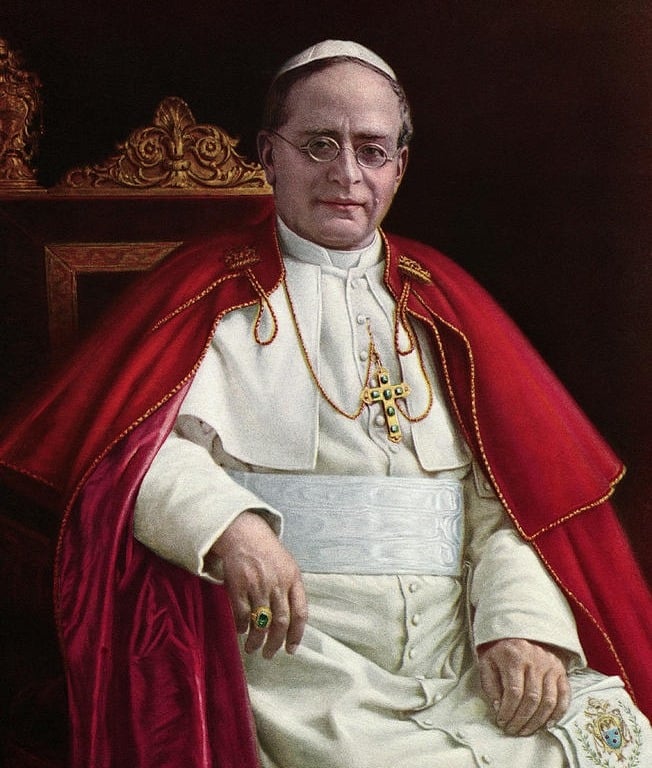
Over the centuries, the region fell under various ecclesiastical jurisdictions, including the dioceses of Guadalajara and Linares in Mexico, and later New Orleans, Galveston, and Dallas in the United States. The Diocese of Amarillo was officially established by Pope Pius XI on August 3, 1926, carved from territories of the Dallas and San Antonio dioceses.
Reverend Rudolph Gerken was appointed as its first bishop and was installed at Sacred Heart Church in Amarillo on April 27, 1927. Under his leadership, the diocese saw the construction of numerous churches and the founding of Price Memorial College.
-
-
-
Restructure
The diocese has undergone significant territorial changes, notably in 1961 with the creation of the Diocese of San Angelo and in 1983 with the establishment of the Diocese of Lubbock, both of which involved the reassignment of counties from the Amarillo diocese.
-
-
-
The Diocese Today
Today, the Diocese of Amarillo encompasses 26 counties over approximately 25,800 square miles, serving a diverse Catholic population through 38 parishes.
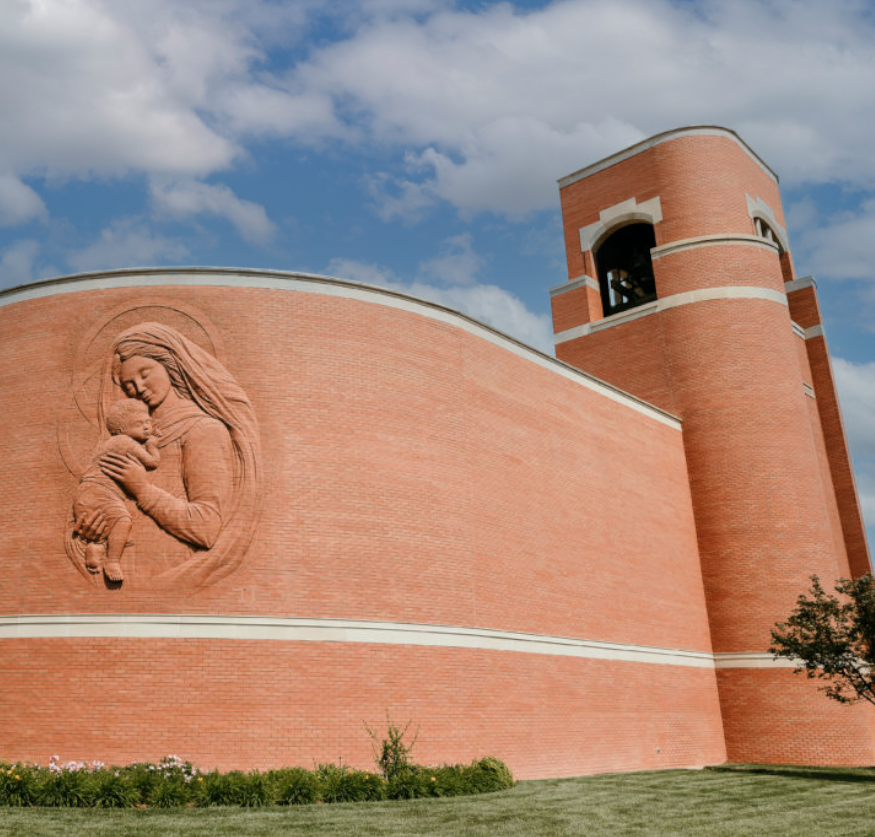
St. Mary's Cathedral in Amarillo serves as the diocesan cathedral, with St. Mary honored as the patroness of the diocese.
The diocese continues its mission to evangelize and serve the faithful in the Texas Panhandle.
-
-
-
Celebrating 100 Years
The Diocese of Amarillo celebrated 100 years of faith with a Centennial Mass of Thanksgiving on Saturday, August 22, 2026 in the Cal Farley Coliseum at the Amarillo Civic Center.
Centered on the theme, “Give thanks to the Lord, for He is good,” this historic celebration united the diocesan family in gratitude for a century of grace, service, and faithful witness.
We were joined by over a dozen bishops, including our apostolic administrator, Daniel Cardinal DiNardo, Archbishop Paul S. Coakley of Oklahoma City, President of the USCCB, and Archbishop Gabriele Giordano Caccia, the Apostolic Nuncio to the United States – the Holy Father's personal representative.
-
-
More Information
-
For a more in-depth history of the Diocese of Amarillo, contact the Office of Archives & the Museum.

-